


Key Takeaways
- Set your total vehicle budget before shopping. Consider insurance, fuel, maintenance, repairs, taxes, and financing costs, not just the purchase price.
- Compare multiple vehicles to find the best combination of price, mileage, condition, and reliability.
- Consider older model years and different vehicle types to find more affordable options.
- Always review the vehicle history, maintenance records, and overall condition before buying.
- Explore financing options ahead of time so you understand what you can comfortably afford.
- Car Loans Canada's large inventory gives Canadian shoppers a place to explore a wide selection of used vehicles.
Finding an affordable used car in Canada doesn't have to be difficult, but it does require some research. With so many makes, models, dealerships, and financing options available, knowing where to start can make a big difference.
For many Canadians, buying used is a practical way to get behind the wheel without paying the higher purchase price associated with a brand-new vehicle. You may be able to find a reliable sedan, SUV, truck, or crossover that meets your needs at a price that works with your budget.
However, finding an affordable vehicle isn't just about choosing the cheapest listing. Mileage, condition, maintenance history, insurance costs, and financing terms all play a role in determining whether a vehicle is actually a good deal.
In this guide, we'll explain how to find affordable used cars in Canada, where to look, what to consider before buying, and how to make sure your next vehicle fits your financial situation.
1. Start by Setting a Realistic Budget
Before browsing used vehicles, determine how much you can comfortably afford to spend.
It's tempting to start searching based on the vehicles you like, but doing so without a budget can lead to spending more than you intended. Instead, establish a price range before narrowing down your options.
When setting your budget, consider more than the vehicle's advertised price. There are several additional expenses associated with buying and owning a used car.
These include:
- Monthly loan payments: If you're financing the vehicle, account for the principal and interest.
- Insurance: Insurance premiums vary depending on the vehicle, your driving history, location, and coverage.
- Fuel: Consider the vehicle's fuel economy and how much you typically drive.
- Maintenance: Older vehicles may require more frequent servicing.
- Repairs: Unexpected mechanical issues can add to your ownership costs.
- Taxes and fees: Account for applicable sales taxes, registration costs, and dealership charges.
A vehicle that costs $15,000 may seem affordable, but the total cost of ownership could be considerably higher once you factor in these expenses.
If you're financing your purchase, use the Car Loans Canada car loan calculator to estimate potential monthly payments. You can adjust the purchase price, interest rate, down payment, and loan term to see how each factor affects your budget.
For additional guidance, read our article on determining a budget for a car.
2. Shop Around and Compare Used Cars in Canada
One of the best ways to find an affordable used car is to compare multiple vehicles before making a decision.
Prices can vary significantly between dealerships, even when vehicles have similar mileage, features, and model years. Looking at several options gives you a better understanding of what a vehicle should cost and helps you identify listings that offer good value.
Car Loans Canada makes it easier to explore different options through our large inventory of vehicles. Whether you're looking for an affordable sedan, a family-friendly SUV, a pickup truck, or something more fuel-efficient, you can browse available vehicles in one place.
Explore the Car Loans Canada used vehicle inventory to compare available options and find a vehicle that fits your needs and budget.
When comparing listings, pay attention to:
- Model year and trim level.
- Current mileage.
- Vehicle condition.
- Accident and ownership history.
- Included features and equipment.
- Advertised price.
- Any additional dealership fees or charges.
Don't automatically assume the cheapest vehicle is the best deal. A car with a slightly higher asking price may offer better value if it has lower mileage, a stronger maintenance history, or fewer signs of wear.
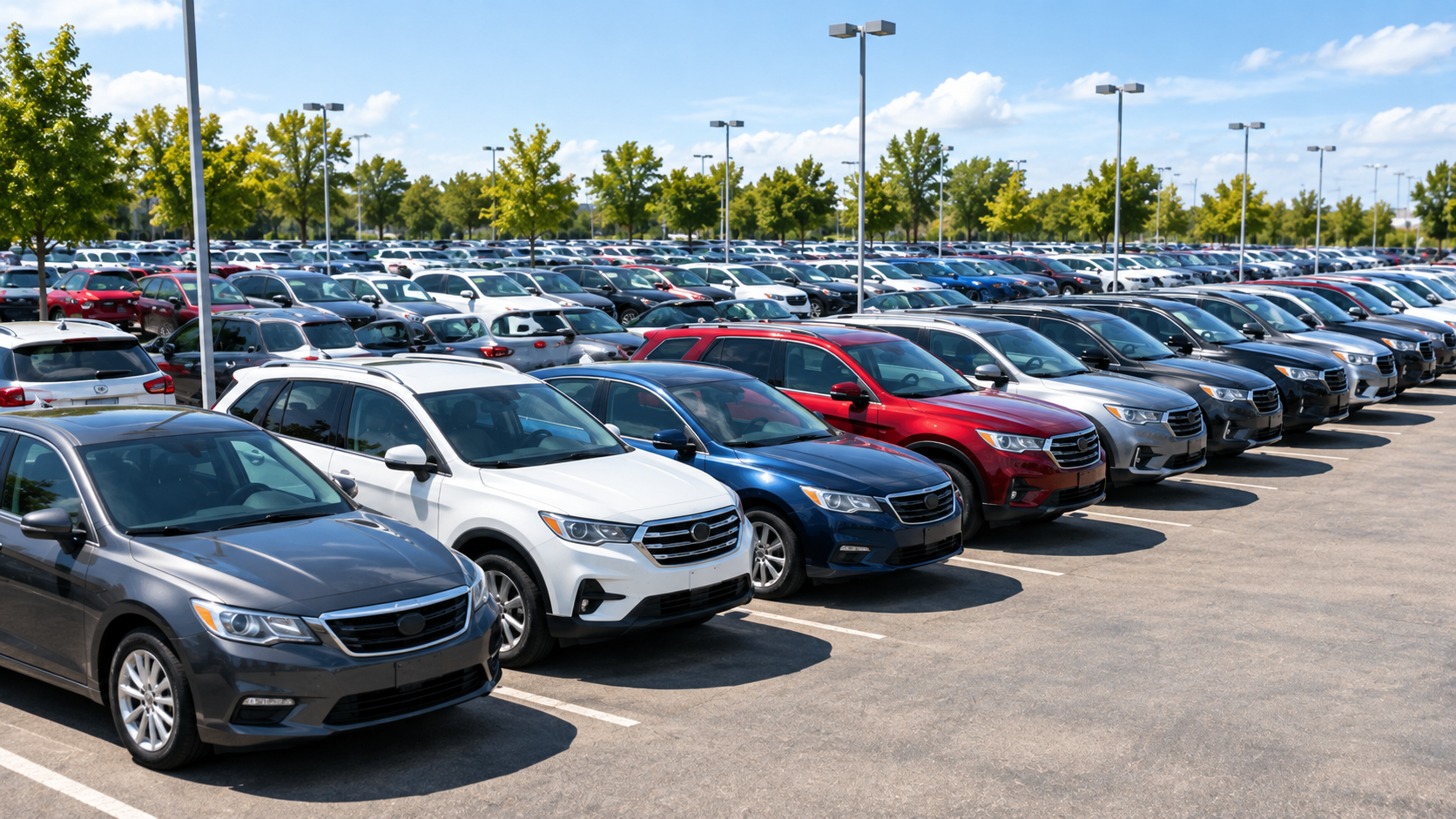
3. Consider Older Model Years
If you're struggling to find a vehicle within your budget, consider expanding your search to include older model years.
Many buyers focus exclusively on newer vehicles, but this can unnecessarily limit their options. A vehicle that's three to five years older may still offer plenty of useful features, modern safety technology, and dependable transportation at a lower purchase price.
Vehicle depreciation is one of the main reasons older used cars can be more affordable. New vehicles generally lose value as they age, which means buyers can sometimes find significant savings by purchasing a model that's already a few years old.
However, age isn't the only factor to consider. A well-maintained older vehicle may be a better purchase than a newer vehicle that has been poorly maintained.
When considering an older model, pay particular attention to:
- Maintenance and service records.
- Previous accident damage.
- Rust and corrosion.
- Tire and brake condition.
- Engine and transmission performance.
- Any upcoming maintenance requirements.
The goal is to find a vehicle that offers good value over the time you plan to own it, rather than simply choosing the newest car you can afford.
4. Be Flexible With the Make and Model
Another way to find affordable used cars in Canada is to avoid limiting your search to one specific make or model.
You may have your heart set on a particular vehicle, but similar models from other manufacturers could offer comparable features and practicality at a lower price.
For example, if you're looking for a compact SUV, compare several options instead of focusing on just one model. You may find that another vehicle offers similar passenger space, fuel economy, and safety features for less money.
Being flexible with your preferences can help you discover vehicles you might not have originally considered.
Some categories worth exploring include:
- Compact sedans: Often affordable to purchase and economical to operate.
- Hatchbacks: Provide additional cargo flexibility without the size of an SUV.
- Compact SUVs: Offer a balance of passenger space and everyday practicality.
- Midsize sedans: Can provide comfortable transportation at competitive used prices.
- Older pickup trucks: May be worth considering if you need towing or hauling capability.
Research reliability ratings, common mechanical issues, and ownership costs before deciding. A lower purchase price doesn't necessarily mean lower long-term expenses.
5. Look Beyond the Monthly Payment
When shopping for used cars in Canada, it's easy to become focused on finding the lowest possible monthly payment.
While your monthly payment is important, it doesn't tell you the full cost of financing a vehicle.
For example, a longer loan term can reduce your monthly payment by spreading the balance over more time. However, you'll generally pay more interest over the life of the loan.
Consider this simplified example:
Financing detailOption AOption BAmount financed$18,000$18,000Annual interest rate8%8%Loan term48 months72 monthsApprox. monthly payment$439$316Approx. total interest$3,100$4,750
Illustrative estimates for comparison purposes. Actual payments and costs depend on the lender, loan structure, fees, and payment schedule.
Option B offers a lower monthly payment, but you'll pay considerably more interest over the longer repayment period.
Before accepting a financing offer, compare the interest rate, loan term, total amount financed, and total borrowing cost.
You can learn more about how long your car loan term should be and the factors that influence your monthly car payments in Canada.
6. Check the Vehicle History Before Buying
A used vehicle may look great in photos and during a test drive, but its history can reveal important information that isn't immediately visible.
Before purchasing, request a vehicle history report and review any available maintenance records.
A vehicle history report may provide information about:
- Reported accidents and damage.
- Previous registration history.
- Outstanding liens.
- Odometer readings.
- Previous use, where reported.
- Registration status.
Keep in mind that vehicle history reports aren't perfect. Not every accident, repair, or mechanical issue will necessarily appear in the report.
If you're purchasing privately, consider obtaining a lien search through the appropriate provincial or territorial registry. This can help identify whether a lender or another creditor has a registered interest in the vehicle.
You should also have the vehicle inspected by an independent mechanic before completing the purchase. A professional inspection can help identify mechanical problems, signs of previous repairs, or maintenance issues that may become expensive later.
For more information, check out our used car buying guide.
7. Don't Skip the Test Drive
Even if a vehicle looks perfect on paper, you should always test drive it before making a purchase.
A test drive gives you an opportunity to evaluate how the vehicle performs and whether it feels comfortable for your everyday driving needs.
During the test drive, pay attention to:
- Engine performance and unusual noises.
- Transmission shifting.
- Steering and handling.
- Brake responsiveness.
- Suspension and ride comfort.
- Dashboard warning lights.
- Heating and air conditioning.
- Visibility and seating position.
Try to drive in different conditions if possible, including city streets and higher-speed roads.
Don't feel pressured to rush through the test drive. If something doesn't feel right, ask questions and have the issue investigated before proceeding.
You should also test the vehicle's electronics, safety features, windows, locks, and other equipment. Small problems can add up, especially if you're purchasing an older vehicle.

8. Compare Financing Options Before Visiting the Dealership
Finding an affordable used car is only half the process. You also need to make sure you can finance it on terms that work for your financial situation.
Many dealerships offer financing through their lending partners, which can make the purchasing process convenient. However, it's still worth understanding your options before agreeing to a loan.
Comparing financing options can help you understand what interest rates and repayment terms may be available based on your credit history, income, and other financial details.
If you have less-than-perfect credit, don't automatically assume you won't qualify. Different lenders have different approval criteria, and your overall financial situation may matter just as much as your credit score.
Before accepting a financing offer, consider:
- Whether the monthly payment fits your budget.
- How much interest you'll pay.
- Whether the loan term is reasonable.
- Whether there are additional fees.
- Whether optional products have been added to the agreement.
If you're ready to explore your options, you can apply for a car loan through Car Loans Canada.
Approval, interest rates, and available loan terms depend on your individual application and lender requirements.
9. Negotiate the Price and Understand the Full Cost
Don't assume that the advertised price is the final price you'll pay.
Depending on the vehicle and market conditions, there may be room to negotiate. Researching comparable listings gives you a better understanding of whether the asking price is competitive.
When negotiating, focus on the vehicle's overall purchase price rather than allowing the conversation to revolve entirely around monthly payments.
Ask the dealership for an itemized breakdown that includes:
- Vehicle purchase price.
- Applicable taxes.
- Mandatory fees.
- Optional products and protection packages.
- Any additional charges.
Make sure you understand which products are optional and whether you actually need them.
If you're trading in your current vehicle, negotiate the trade-in value separately from the purchase price where possible. This makes it easier to understand the numbers and determine whether you're receiving a fair deal.
For more advice, read our guide on how to negotiate with a car dealer.
10. Take Your Time and Don't Rush the Purchase
One of the biggest mistakes used car buyers make is rushing into a purchase because they feel pressured to secure a vehicle.
You might find a car that looks like a great deal, but that doesn't mean you should skip the research or inspection process.
Take the time to compare alternatives, review the vehicle history, arrange an inspection, and understand the financing agreement.
If a dealership is pressuring you to sign immediately or won't give you enough time to review the paperwork, consider walking away.
There will always be other vehicles available. Finding the right one at the right price is more important than rushing into a purchase you may regret.
Frequently Asked Questions About Finding Affordable Used Cars in Canada
Where is the best place to find affordable used cars in Canada?
You can find affordable used cars through dealership inventories, online vehicle marketplaces, and private sellers. Comparing multiple listings helps you understand market prices and identify vehicles that offer good value. Car Loans Canada also offers a large inventory of vehicles that shoppers can browse online.
What is a good mileage for a used car in Canada?
There isn't one mileage figure that determines whether a used car is a good purchase. A vehicle with higher mileage may still be reliable if it has been properly maintained, while a low-mileage vehicle may have hidden mechanical issues. Consider mileage alongside the vehicle's age, service history, condition, and maintenance requirements.
Is it better to buy an older used car or a newer one?
It depends on your budget and priorities. Older vehicles generally have lower purchase prices, while newer models may offer updated technology, safety features, and fewer years of wear. Compare the total ownership costs rather than focusing only on the model year.
Can I finance a used car in Canada?
Yes. Many Canadian lenders offer financing for used vehicles, although eligibility depends on factors such as the vehicle's age, mileage, price, your credit history, income, and the lender's requirements.
Can I get approved for a used car loan with bad credit?
It may be possible. Some lenders consider applicants with less-than-perfect credit, although interest rates and available terms may vary. Your income, existing debts, credit history, and ability to make the payments can all influence the decision.
Should I buy a used car from a dealership or a private seller?
Both options have advantages. Dealerships may offer financing options and certain vehicle protections, while private sellers may offer lower asking prices. Regardless of where you buy, review the vehicle history, inspect the car, and make sure all required ownership documents are in order.
How much should I put down on a used car?
The right down payment depends on your savings, budget, and financing options. A larger down payment reduces the amount you need to borrow and may lower your monthly payments. However, you should avoid using all your savings if it leaves you without an emergency fund.
Find Affordable Used Cars in Canada With Car Loans Canada
Finding an affordable used car comes down to knowing your budget, comparing your options, and understanding the true cost of ownership.
You don't necessarily need to buy the newest vehicle or choose the most popular model to find something reliable. By considering different makes, model years, mileage, and vehicle types, you may discover options that offer excellent value without stretching your finances.
At Car Loans Canada, we make it easier to explore your options with a large inventory of vehicles available to browse online. Whether you're searching for a fuel-efficient sedan, a family SUV, or a practical everyday vehicle, you can compare available options and start narrowing down your search.
Browse the Car Loans Canada inventory to explore used vehicles, or apply online to explore your car financing options.
Your next vehicle may be closer than you think.
