


Shopping for used cars online can make it easier to compare vehicles, explore different price ranges and find a car that fits your needs without visiting multiple dealerships. However, buying a vehicle online also means you need to know what to look for before committing to a purchase.
From vehicle history and mileage to pricing, financing and seller reputation, there are several factors worth checking before you buy a used car.
If you're buying a used car in Canada, taking the time to research your options can help you avoid unexpected repair costs, choose a vehicle that suits your budget and feel more confident about your decision.
Key Takeaways
- Check the vehicle's history, mileage, condition and maintenance records before buying.
- Compare similar vehicles to determine whether the asking price is reasonable.
- Review the seller's reputation and arrange an independent inspection when possible.
- Budget for insurance, fuel, maintenance and repairs in addition to your monthly car payment.
- Explore financing options before choosing a vehicle so you know what you can comfortably afford.
- Browse the Car Loans Canada vehicle inventory to compare available cars, SUVs and trucks online.
1. Set Your Budget Before Shopping
Before browsing used cars online, decide how much you can realistically afford to spend.
It can be tempting to start by looking at the newest models or vehicles with all the features you want. However, setting a budget first helps you narrow your search and avoid getting attached to a vehicle that stretches your finances too far.
Your budget should account for more than the purchase price or monthly loan payment. Remember to include:
- Car insurance
- Fuel
- Routine maintenance
- Potential repairs
- Winter tires
- Registration and applicable taxes
- Parking and other vehicle-related expenses
If you're financing your purchase, consider how the down payment, interest rate and loan term will affect your monthly payment.
You can use our car loan calculator to estimate payments at different purchase prices, interest rates and loan terms.
For more guidance, read our article on determining a budget for a car.
Consider the total cost of ownership
Two used vehicles listed at similar prices can have very different ownership costs.
For example, an older luxury vehicle might have an attractive purchase price but cost more to maintain than a newer mainstream model. Fuel economy, insurance costs, parts availability and expected repairs can all affect how affordable a vehicle is over time.
Choose a vehicle that fits your budget both when you buy it and throughout the time you plan to own it.
2. Check the Vehicle's History
One of the most important steps when shopping for used cars online is researching the vehicle's history.
A vehicle can look great in photos while having a history of accidents, undisclosed damage or maintenance problems. Before making a decision, ask the seller for a vehicle history report and review any available maintenance records.
Depending on the vehicle and its history, you may want to investigate:
- Reported accidents or collision repairs
- Previous damage
- Outstanding liens
- Previous registration jurisdictions
- Odometer readings
- Number of previous owners, where available
- Service and maintenance records
- Whether the vehicle was previously used for commercial purposes
In Canada, vehicle history reports can help you identify potential issues, but they may not contain every detail about a vehicle's past.
For example, an accident that was never reported to an insurer may not appear in the report. This is one reason a history report should be treated as one part of your research rather than a guarantee that the vehicle is problem-free.
Check for outstanding liens
An outstanding lien can complicate a used vehicle purchase because another party may have a financial claim against the vehicle.
Before buying a used car, consider checking the appropriate provincial or territorial lien registry. The process varies depending on where the vehicle is registered.
If you're purchasing privately, make sure you understand the paperwork required to transfer ownership and register the vehicle in your province.
3. Pay Attention to Mileage and Maintenance
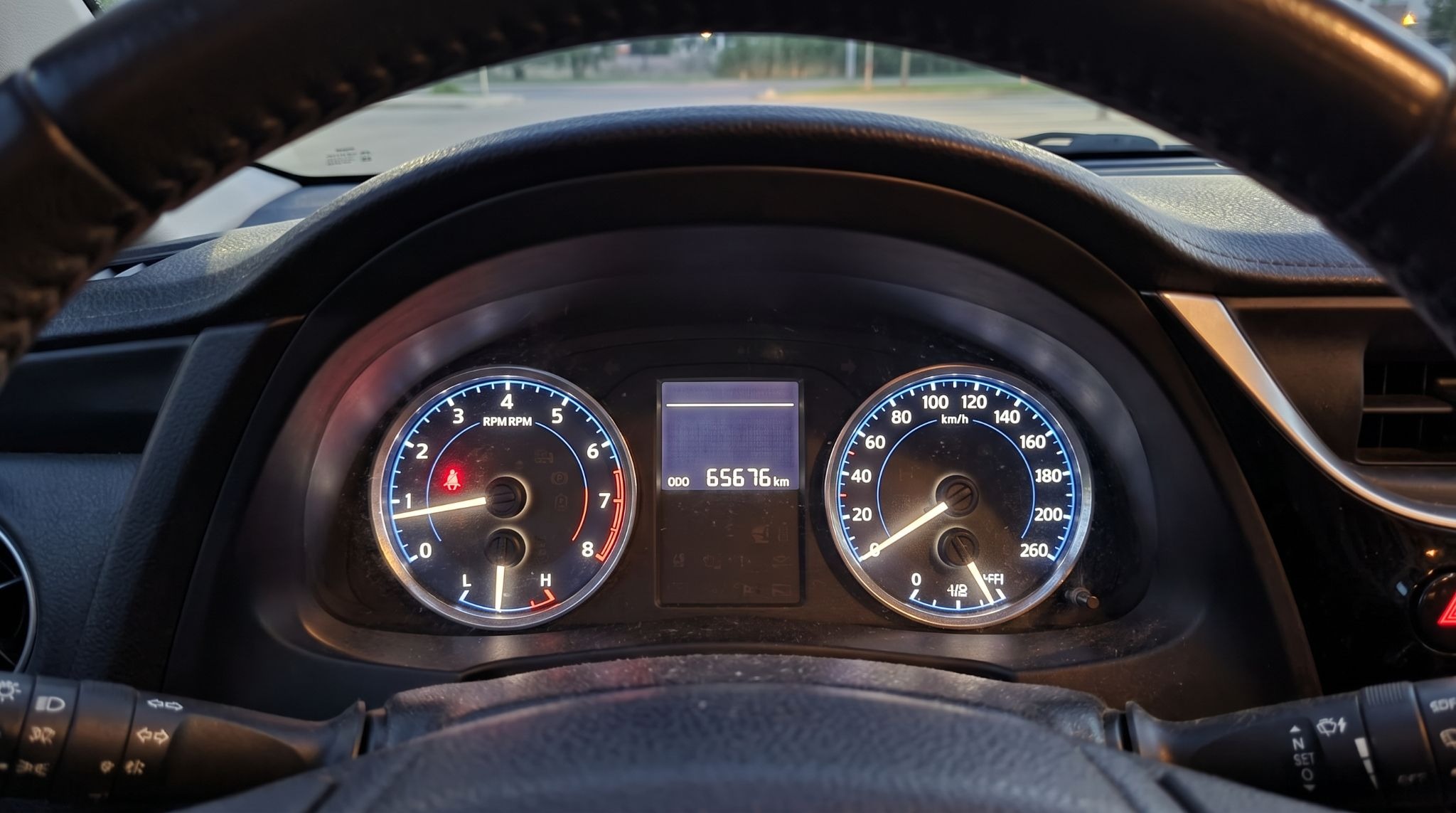
Mileage is an important factor when comparing used cars, but it shouldn't be the only thing you consider.
A vehicle with higher mileage may still be a good purchase if it has been maintained properly. On the other hand, a low-mileage vehicle can have problems if it has been neglected or driven infrequently without appropriate maintenance.
Look for information about:
- Regular oil changes
- Brake service
- Tire condition and replacement
- Transmission maintenance, where applicable
- Timing belt replacement, if required
- Major repairs
- Manufacturer-recommended maintenance
Compare the mileage with the vehicle's age and service history. If the seller cannot explain gaps in maintenance records, ask additional questions before proceeding.
It's also worth researching the reliability of the specific year, make and model you're considering.
When comparing options in the Car Loans Canada inventory, review the available vehicle details and make a shortlist of models that suit your needs. You can then investigate their reliability, maintenance requirements and common problems before making a decision.
4. Compare Prices for Similar Vehicles
When buying a used car in Canada, avoid assuming that the first vehicle you find is the best deal.
Search for similar vehicles with comparable:
- Model years
- Mileage
- Trim levels
- Equipment and features
- Overall condition
- Accident history
- Warranty coverage
Comparing several listings can help you understand the typical asking price for the vehicle you're interested in.
If one listing is significantly cheaper than similar vehicles, find out why. The price difference could reflect higher mileage, damage, mechanical problems or a seller who simply wants a quick sale.
Likewise, a higher asking price doesn't automatically mean a vehicle is in better condition.
Understand the difference between asking price and total price
Check whether the advertised price includes all applicable dealer fees and whether taxes and registration costs will be additional.
Ask the seller for a complete breakdown before agreeing to buy.
If you're purchasing from a dealership, you can also prepare by reading our guide on how to negotiate with a car dealer.
The more you understand about comparable vehicles and the full purchase price, the better prepared you'll be to make an informed decision.
5. Review the Photos and Vehicle Description Carefully
Photos are often your first look at a used vehicle, so examine them closely.
Look for images that show the exterior from multiple angles, the interior, dashboard, seats, tires, engine compartment and odometer where available.
Pay attention to signs of possible damage, including:
- Scratches, dents or rust
- Uneven paint colour
- Gaps between body panels
- Cracked lights or windows
- Worn seats or steering wheel
- Uneven tire wear
- Warning lights on the dashboard
These signs don't automatically mean you should reject a vehicle, but they may justify asking more questions or arranging an inspection.
Read the description carefully, too. Check whether the seller discloses previous repairs, cosmetic damage, mechanical issues or missing features.
If the listing has very few photos or provides limited information, ask for more details before travelling to see the vehicle.
Be cautious if a seller refuses to answer reasonable questions, pressures you to send a deposit immediately or asks you to pay through an unusual method.
6. Arrange an Independent Inspection
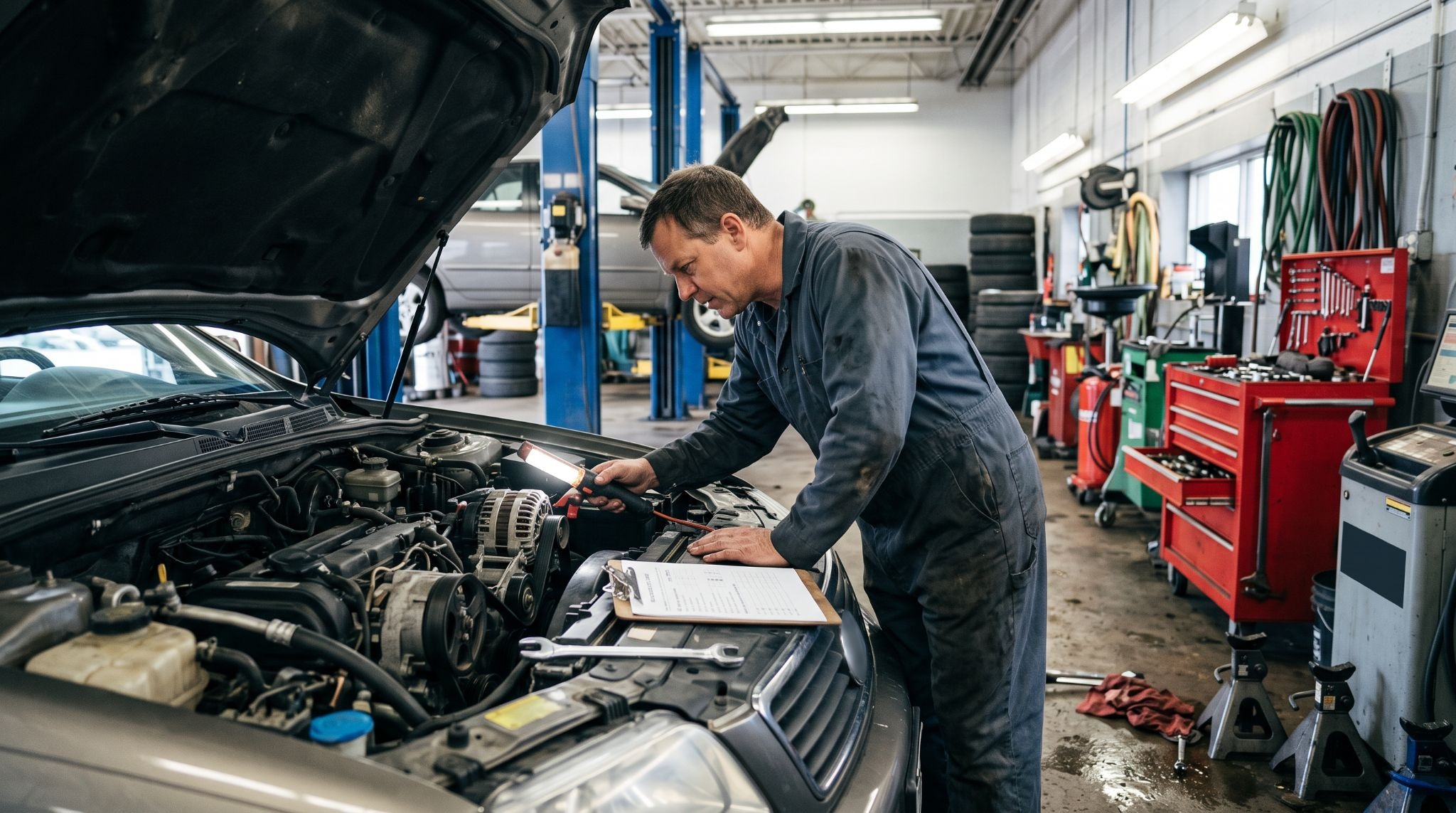
Even if a vehicle looks good online and has a clean history report, an independent inspection can help identify problems that aren't obvious from the listing.
Whenever possible, have a qualified mechanic inspect the vehicle before you finalize the purchase.
Depending on the vehicle, an inspection may identify:
- Engine or transmission problems
- Brake and suspension wear
- Fluid leaks
- Rust or underbody damage
- Electrical issues
- Uneven tire wear
- Signs of previous collision repairs
You should also arrange a test drive when possible. Pay attention to how the vehicle accelerates, brakes, steers and shifts gears. Listen for unusual noises and check that the major features work properly.
If the seller refuses an independent inspection without a reasonable explanation, consider whether you're comfortable accepting that risk.
A little extra due diligence can save you from expensive repairs after the purchase.
7. Understand the Seller and Your Consumer Rights
Not all online vehicle listings come from the same type of seller. You might be shopping through a licensed dealership, a private seller or an online marketplace.
The buying process and your responsibilities can vary depending on where you purchase the vehicle.
When buying from a dealership, ask about the vehicle's condition, warranty coverage, return policies, fees and any applicable provincial consumer protections.
When buying privately, you may need to handle more of the paperwork yourself, and the protections available to you may differ.
Before handing over money, confirm:
- The seller has the legal authority to sell the vehicle.
- The VIN matches the vehicle and relevant documents.
- The ownership documents are available.
- The sale price and payment terms are clear.
- Any promises about repairs or included equipment are documented.
- You understand the registration and transfer requirements in your province.
Rules for vehicle sales and registration vary across Canada, so check the requirements for your province or territory.
8. Consider Financing Before Choosing a Vehicle
If you plan to finance your used car, it's worth exploring your options before committing to a particular vehicle.
Understanding your financing options can help you establish a realistic price range and avoid spending more than you intended.
Lenders may consider your credit history, income, existing debt, down payment and details about the vehicle when assessing an application.
If you have bad credit, you may still have financing options available. However, the interest rate, loan term and overall cost of borrowing will be important factors to compare.
You can learn more about how to get a car loan with bad credit in 2026 if you're concerned about qualifying.
Compare the interest rate and loan term
A lower monthly payment doesn't always mean a better financing deal. Extending the loan term can reduce your payment while increasing the total interest you pay.
Before agreeing to financing, compare the interest rate, monthly payment, loan term and total amount you'll repay.
Our guide on how long your car loan term should be explains what to consider when choosing a repayment period.
You can also apply for a car loan with Car Loans Canada to start exploring your financing options.
9. Browse Online Inventory to Compare Your Options
One advantage of shopping for used cars online is being able to compare several vehicles without visiting multiple dealerships.
Instead of focusing on just one make or model, create a shortlist based on your budget, passenger space, fuel economy, mileage and intended use.
For example, a compact sedan may be suitable for commuting, while a used SUV could offer more passenger and cargo space. A truck may be a better fit if you regularly need towing or hauling capability.
Car Loans Canada has an online vehicle inventory featuring cars, SUVs and trucks. Browsing the available listings can help you explore different vehicles and narrow down the options that best match your needs.
Keep in mind that availability changes as vehicles are added and sold, so confirm the details and availability of any vehicle you're interested in.
If you currently own a vehicle, you may also want to estimate its value before making your next purchase. The Car Loans Canada trade-in estimate tool can help you get an estimate of your current vehicle's market value.
That information may help you plan how much you can put toward your next vehicle, although the final trade-in offer can differ from the estimate.
10. Avoid Common Used Car Buying Mistakes
Even experienced buyers can overlook important details when shopping online. Before committing to a vehicle, make sure you're not making these common mistakes:
- Buying based on appearance alone.
- Skipping a vehicle history report.
- Ignoring maintenance records.
- Failing to compare similar listings.
- Forgetting to budget for insurance and repairs.
- Agreeing to financing without understanding the total cost.
- Sending money before verifying the seller and vehicle.
- Rushing into a purchase because the seller claims someone else is interested.
Take your time, ask questions and keep a record of important information.
For more advice, read our guide to the top car buying mistakes to avoid.
Frequently Asked Questions
Is it safe to buy a used car online in Canada?
It can be safe to shop for a used car online if you take the appropriate precautions. Review the vehicle history, verify the seller, inspect the vehicle, confirm the ownership documents and avoid sending money before you're comfortable with the transaction.
What should I check before buying a used car?
Check the vehicle's history, mileage, maintenance records, condition, asking price and ownership documents. Arrange an independent inspection when possible, and make sure you understand the full purchase price and any financing agreement.
Is mileage or age more important when buying a used car?
Both matter. Mileage can indicate how much a vehicle has been driven, while age can affect components that deteriorate over time. Maintenance history, driving conditions, reliability and overall condition should also factor into your decision.
Should I get a vehicle history report before buying a used car?
Yes, a vehicle history report can help you identify reported accidents, registration history and other potential concerns. However, it may not include every incident, so it should be combined with an inspection and a review of maintenance records.
Can I finance a used car purchased online?
You may be able to finance a used vehicle purchased through an eligible dealership or seller, depending on the lender's requirements. The vehicle, your application and the financing arrangement can all affect eligibility. Confirm the details with your financing provider before finalizing the purchase.
Can I buy a used car online with bad credit?
It may be possible. Approval depends on the lender and your overall financial circumstances, including income, credit history, existing obligations and the vehicle being financed. Comparing your financing options before choosing a vehicle can help you plan your budget.
How do I know if a used car is priced fairly?
Compare the listing with similar vehicles of the same year, make, model, trim and approximate mileage. Consider the vehicle's condition, accident history, maintenance records and included features before deciding whether the asking price is reasonable.
Final Thoughts
Shopping for used cars online gives you more opportunities to compare vehicles and find one that suits your needs. However, finding a good listing is only the first step.
Before you buy a used car, research its history, compare prices, review the maintenance records and arrange an inspection when possible. Make sure the total purchase cost fits your budget, including insurance, fuel, maintenance and financing.
If you're buying a used car in Canada, a little research before committing can help you avoid costly surprises and make a more confident decision.
Ready to explore your options? Browse the Car Loans Canada inventory to compare available vehicles, or apply for a car loan online to start exploring your financing options.
